
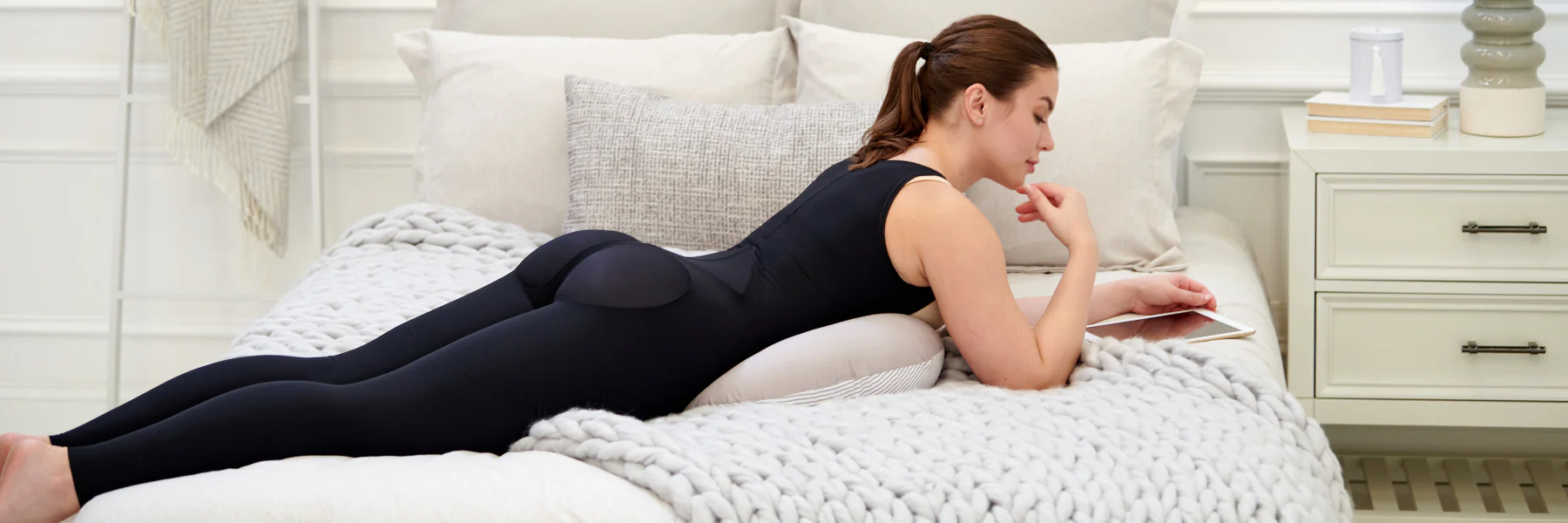
Postoperative gluteal contouring recovery improves when stomach-sleeping positions meticulously safeguard newlysculpted fatgrafts throughout vulnerable nights. Still, nobody tells you how strange bedtime can suddenly feel after surgery. You know you must protect your results, yet your body craves familiar habits. According to our editor’s research, sleep is where many patients quietly struggle the most. The good news is that a few practical tricks can make nights manageable. In this guide, we will walk through simple, realistic ways to rest safely. You will not find complex theory here, just everyday tips you can actually use. Think of these ideas as friendly starting points, not strict personal prescriptions.
Sleeping position after surgery matters
During a butt lift, fat is moved from one area into your buttocks. Those tiny fat cells need time to settle, connect with blood supply, and survive. When you lie directly on your buttocks too early, pressure can choke that circulation. Several plastic surgery organizations highlight pressure management as a key part of recovery. They explain that fat grafts are especially fragile during the first weeks after surgery. If too many cells die, your volume decreases and contours may look uneven or disappointing. So every night in bed becomes part of protecting your investment and confidence.
Early weeks usually bring stricter rules
Most surgeons give very clear, very strict instructions about sitting and sleeping at first. Guides for butt lift recovery often recommend absolutely no direct buttock pressure initially. Some plastic surgeons suggest avoiding back sleeping for two weeks, others prefer closer to six. According to our editor’s research, real practice varies widely between clinics and countries. That is exactly why your own surgeon’s written plan must always come first. Use any online advice, including this article, only as supportive general orientation. When in doubt, call the clinic and ask before changing your sleeping routine. Write those instructions down near your bed so you see them before lying.
Stomach sleeping as the safest starting point
For many patients, the main recommendation after a butt lift is simple stomach sleeping. Lying on your front keeps almost all direct pressure away from the grafted areas. Several recovery guides describe this as the safest basic position during early healing. However, sleeping face down every night can feel uncomfortable, especially if you never did before. Small adjustments make a difference, like placing soft pillows under your chest and shoulders. Some surgeons advise sliding a thin pillow under your pelvis to ease lower back strain. If breathing feels harder in this position, slightly raise your head with extra pillows.
Side sleeping with careful pillow support
Some people simply cannot tolerate sleeping on their stomach for many nights. In those cases, many surgeons allow side sleeping with very deliberate pillow arrangements. The goal is keeping direct weight away from the buttocks and recently treated liposuction areas. Place a firm pillow between your knees to keep hips aligned and reduce twisting. Another pillow behind your back can stop you rolling toward a half-back position overnight. Ask specifically whether your surgeon injected fat into the hips before committing to side sleeping. If the hips were treated heavily, side pressure might still interfere with final contouring.
Protecting your results while resting on your back
At some point, almost everyone asks when they can finally sleep on their back again. General guides often mention four to six weeks, but real timelines differ between surgeons. Many experts prefer patients to wait until they confirm that fat grafts look stable. Some clinics use special back-sleeping pillows that lift thighs while keeping buttocks suspended. You may see these marketed as butt lift or BBL pillows and wedges. As a result of our editor’s reviews, many patients feel safer easing in gradually. Start with short supervised naps on supported back positions only when the clinic approves.
Using pillows and supports intelligently
Pillows might feel like simple accessories, yet they become vital tools during recovery. Think about building a small nest that keeps weight away from your buttocks automatically. Stomach sleepers often like a flat, firm pillow under the chest for comfort. Side sleepers usually need a thicker pillow between knees and sometimes another along the spine. Some people buy wedge cushions or travel pillows, especially for sleeping in recliners or planes. Whatever you choose, the rule stays the same, keep direct pressure off the buttocks. If something leaves deep marks or numbness, assume it is too much pressure and adjust.
Creating a gentle evening routine
Sleeping well is not only about position, it is also about preparation. Plan your evenings so you are not racing around and collapsing into bed exhausted. Most recovery recommendations suggest taking prescribed pain medication slightly before bedtime, not after. This way, the peak effect covers those important first hours of night rest. Keep your phone away, dim the lights, and treat the bedroom like a calm zone. Short breathing exercises or soft music can distract you from focusing on every minor ache. If anxiety peaks at night, mention this at follow up, simple reassurance often helps.
Keeping compression garments and incisions comfortable at night
Most butt lift patients wear compression garments for several weeks, sometimes longer at night. These garments help control swelling and support new contours but can feel hot and restrictive. Try lightweight cotton underwear underneath only if your surgeon explicitly allows that extra layer. Change bedding more frequently, because fresh sheets reduce friction, sweat buildup, and possible irritation. When getting into bed, move slowly and support incisions with your hands if needed. Avoid heavy twisting or sudden jumps, especially during the first nights when tissues feel vulnerable. If dressings feel soaked, overly tight, or strangely painful, contact the clinic instead of guessing.
A simple timeline for many patients
Every surgeon, clinic, and body is different, yet general timelines still help expectations. Many instructions describe the first two weeks as the strict stomach or side period. During this stage, most people avoid any sitting or back sleeping except for emergencies. Weeks three to four can bring cautious tests, like short supported sitting or brief naps. By weeks four to six, some surgeons begin allowing controlled back sleeping using special cushions. After six weeks, many doctors loosen restrictions but still warn against periods of direct pressure. Remember, these are only broad patterns from published guidance, not a personalized medical schedule. Always adjust these stages if your surgeon advises a slower or faster recovery pace.
Small daily habits that protect circulation
Sleep is just one part of recovery, your circulation during daytime matters as well. Most postoperative advice encourages short, frequent walks at home once your surgeon approves. These small movements reduce clot risk and make nighttime stiffness far less intense. Avoid smoking and heavy alcohol, because both can interfere with healing and tissue oxygenation. Keep water intake reasonable during the day, so you are not constantly waking to pee. Compression stockings may be recommended for some patients, especially when longer travel is unavoidable. If you ever notice leg swelling, warmth, or sudden shortness of breath, seek urgent assessment.
Managing discomfort without harming your new shape
After a butt lift, discomfort usually comes from both the buttocks and liposuction areas. Strong pain can tempt you to move into easier but unsafe sleeping positions at night. Talk with your surgeon about the right balance between prescribed medication and lighter options. Some people tolerate plain paracetamol, others need stronger tablets during the first days. If a drug makes you extremely drowsy, ask whether dose timing should change before bedtime. Avoid placing hot packs or ice packs directly on numb skin unless the clinic agrees. Numb areas can burn or freeze without warning, which could ruin otherwise healthy tissue.
Preparing your bedroom before the operation
The easiest time to organize your sleeping setup is actually before the procedure day. According to our editor’s research, patients who prepare early report less stress during recovery. Wash extra pillowcases and sheets, and clear tripping hazards from around the bed. Place your phone charger, water, medications, and remote controls within easy arm reach. Some people temporarily move to a firmer guest bed or recliner that supports stomach sleeping. Think through simple night-time tasks like bathroom trips, and reduce unnecessary climbing or bending. A bit of planning today can save a lot of pain and frustration later.
Listening to your body and your surgeon
Even with good guidance, your body often gives the clearest feedback about sleeping positions. If a certain position causes sharp pain, tingling, or shortness of breath, stop quickly. Call your surgeon urgently for severe symptoms instead of waiting to see whether they pass. For milder issues, like numb patches or ongoing discomfort, mention them at scheduled follow up. Sometimes a minor adjustment, like looser garment straps, can transform your whole sleep experience. As a result of our editor’s reviews, reassurance from staff often reduces night anxiety dramatically. Good communication helps you feel safer, and safe patients generally heal with more confidence.
Staying realistic about sleep after a butt lift
Perfect sleep is not the goal after surgery, safe and reasonably restorative sleep is enough. You will probably wake often, feel awkward, and miss your favourite positions for a while. What truly matters is avoiding long pressure on the buttocks while following your surgeon’s plan. Use pillows creatively, keep evenings calm, and treat every night as part of recovery. According to our editor’s research, patients who accept temporary inconvenience usually feel happier with outcomes. Over time, most people return to comfortable, natural sleep, carrying their new shape confidently. For more detailed information, you may wish to visit websites of official institutions and organizations.