
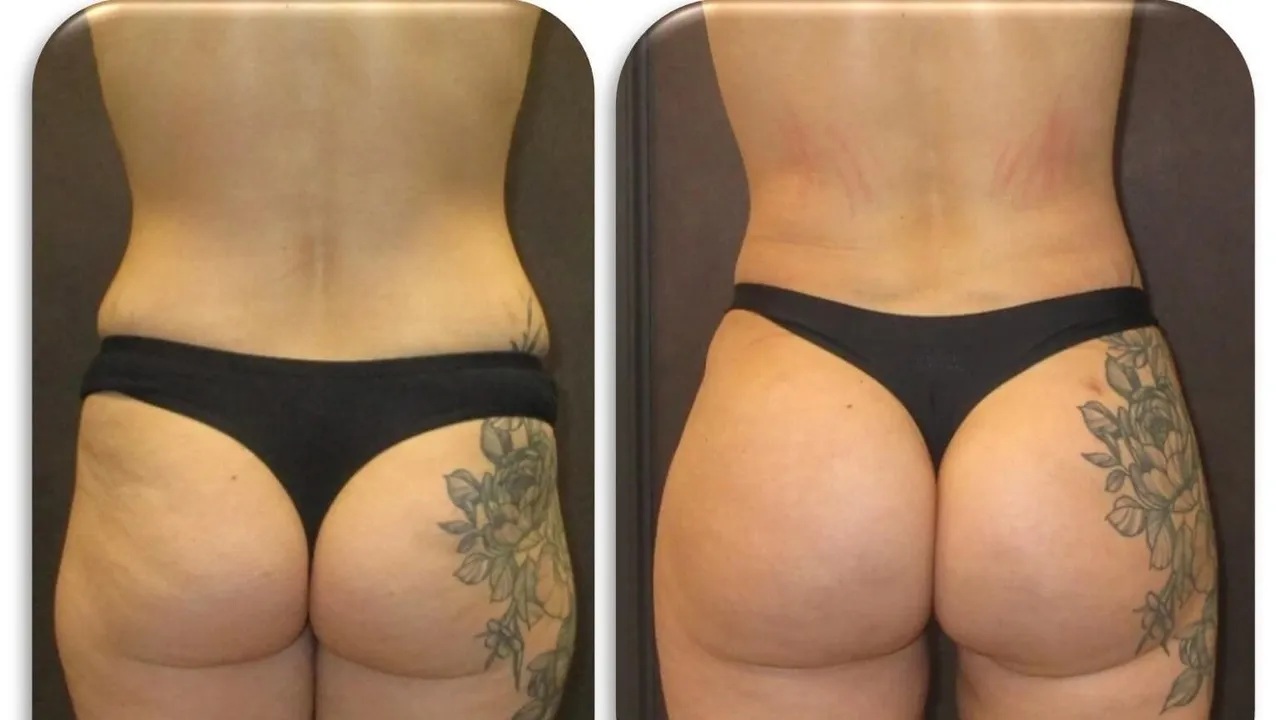
A butt lift can be enhanced through different aesthetic techniques, yet many people wonder which option offers the longest-lasting results and how these choices support natural contours over time, making durability one of the most common concerns among patients seeking body enhancement.
The first time someone hears about different butt lift methods, the question usually comes from a real-life moment when they notice how results vary among people. You may have seen a friend who maintained volume for years, while another required touch-ups sooner. These differences often spark curiosity, and according to our editor’s research, most patients simply want a clear and friendly explanation rather than technical complexity. That is why this guide keeps the information light, practical, and conversational, helping you understand the essentials without turning it into a medical lecture. The goal here is to give you a natural flow of information while keeping the tone relatable and realistic.
Understanding Butt Lift Enhancement Options
A butt lift can involve fat transfer, injectable fillers, or combined approaches depending on personal goals and body structure. Fat transfer uses your own harvested fat, which is why many patients feel it supports a more natural look. Fillers, on the other hand, rely on synthetic materials to create volume in targeted areas. As a result of our editor’s reviews, many clinics highlight that preferences vary widely among individuals based on expectations, lifestyle, and recovery tolerance. The difference between the two lies not only in technique but also in how the body responds afterward. Some people naturally retain more transferred fat, while others see gradual reduction over time. That is why most experts advise realistic expectations before choosing any method.
How Does Fat Transfer Work?
Fat transfer begins with gentle liposuction from areas with extra fat, such as the waist or thighs, and the collected fat is purified before injection. Many patients appreciate that they are enhancing two areas at once, creating a sculpted effect. Fat cells injected into the buttocks need to establish a blood supply to survive long term. This is why surgeons usually mention that some of the transferred fat will be absorbed by the body. According to our editor’s research, the typical retention rate varies, and this natural adjustment phase can last several months. Patients who follow post-procedure guidance, especially regarding sitting positions and physical strain, often retain more fat. This makes lifestyle an important factor in success. Although the procedure offers natural results, it still requires patience and proper care.
How Do Fillers Create Butt Lift Volume?
Fillers offer a different approach, using materials designed to add structure and shape without relying on fat cell survival. Many formulations stimulate collagen over time while also creating immediate contour. Clinics often highlight that fillers can be adjusted with precision, allowing symmetrical shaping even in narrow or difficult areas. As a result of our editor’s reviews, fillers are frequently chosen by those who prefer minimal downtime and predictable volume changes. They do not require fat harvesting, which appeals to people with a leaner build. Fillers, however, gradually break down as the body metabolizes them, making maintenance appointments a part of the long-term plan. This makes them a flexible option, but not necessarily a permanent one.
What Lasts Longer Between the Two?
Longevity depends on how the body accepts either fat or filler, but fat transfer generally has potential for longer-lasting results. Once the surviving fat cells establish a stable blood supply, they behave like normal fat in the body. This means they can expand or shrink with weight changes. Fillers have a predictable lifespan determined by their chemical structure, often requiring touch-ups based on the product used. According to our editor’s research, high-density fillers may last longer than standard ones, yet even these eventually fade. Fat transfer, when successful, usually remains for years. That said, not all transferred fat survives equally, which is why final results become clearer after several months. This makes the comparison less about superiority and more about personal compatibility.
Why Do Results Vary So Much?
Variability comes from individual healing, metabolism, lifestyle, and adherence to aftercare instructions. For instance, pressure on the buttocks during the early healing period can reduce fat survival. Some people naturally heal faster or retain volume differently. Fillers, meanwhile, behave consistently but depend on how quickly the body metabolizes them. As a result of our editor’s reviews, hydration levels, physical activity, and genetic tendencies all influence how long fillers last. Fat transfer results can also change with weight gain or loss, since the added fat behaves like your own tissue. This means two people undergoing the same procedure may still have different long-term outcomes. This natural variability is normal and expected.
Which Option Looks More Natural?
Fat transfer usually offers a softer and more natural appearance, especially because the added volume comes from your own tissue. People who prefer a subtle lift often lean toward this option. Fillers, however, can create defined contour and targeted projection, which some individuals find ideal for shaping specific zones. According to our editor’s research, clinics often recommend fillers when the goal is precise sculpting rather than overall fullness. The natural look of fat transfer may be more appealing for those seeking long-term harmony with body curves, though both methods offer aesthetically pleasing outcomes depending on technique. The final look depends heavily on the practitioner’s experience as well.
How Do Recovery Times Compare?
Recovery after fat transfer is generally longer because the body heals in two places: the donor site and the injection area. You may experience swelling or tenderness for several weeks. Surgeons often recommend avoiding direct pressure on the buttocks during early healing. Fillers, on the other hand, have shorter downtime, allowing many patients to return to daily activities quickly. As a result of our editor’s reviews, filler patients often experience only mild temporary swelling. Fat transfer requires more structured aftercare, making your routines and work schedule important considerations. Both procedures require realistic expectations, but the differences in recovery are significant and should be part of your planning process.
When Do Results Become Fully Visible?
Fat transfer results evolve as the body accepts the transplanted fat cells. Initial fullness may reduce during the healing phase before stabilizing. Most final outcomes appear within several months. Fillers show immediate improvement, with further enhancement if collagen stimulation occurs. According to our editor’s research, many patients enjoy the predictability of filler timelines, especially those wanting a quick enhancement. Fat transfer requires patience because the final appearance emerges gradually. Some individuals appreciate this natural pace, while others prefer the instant effect of fillers. Both deliver satisfying results; the timeline simply varies based on physiology and method.
How Should You Choose the Right Method?
Choosing between fat transfer and fillers depends on your body type, expectations, and willingness to maintain results long term. If you prefer natural texture and potentially lasting outcomes, fat transfer may be ideal. If convenience, precision, and minimal downtime matter more, fillers may suit you better. According to our editor’s research, the most satisfied patients are those who clearly understand what each option can and cannot offer. A thorough consultation helps clarify whether your anatomy supports fat transfer or whether fillers would achieve more balanced results. Each person’s goals are unique, which is why a personalized approach remains essential.
Key Points to Keep in Mind
The discussion about longevity often leads people to overlook other important factors such as lifestyle, future weight changes, and maintenance plans. Both options have strengths, and neither should be viewed as universally superior. Instead, the best method is the one that aligns with your priorities and long-term comfort. According to our editor’s research, informed decisions always lead to smoother experiences and better satisfaction. Whether you’re aiming for subtle refinement or noticeable enhancement, understanding these basics allows you to choose confidently.