
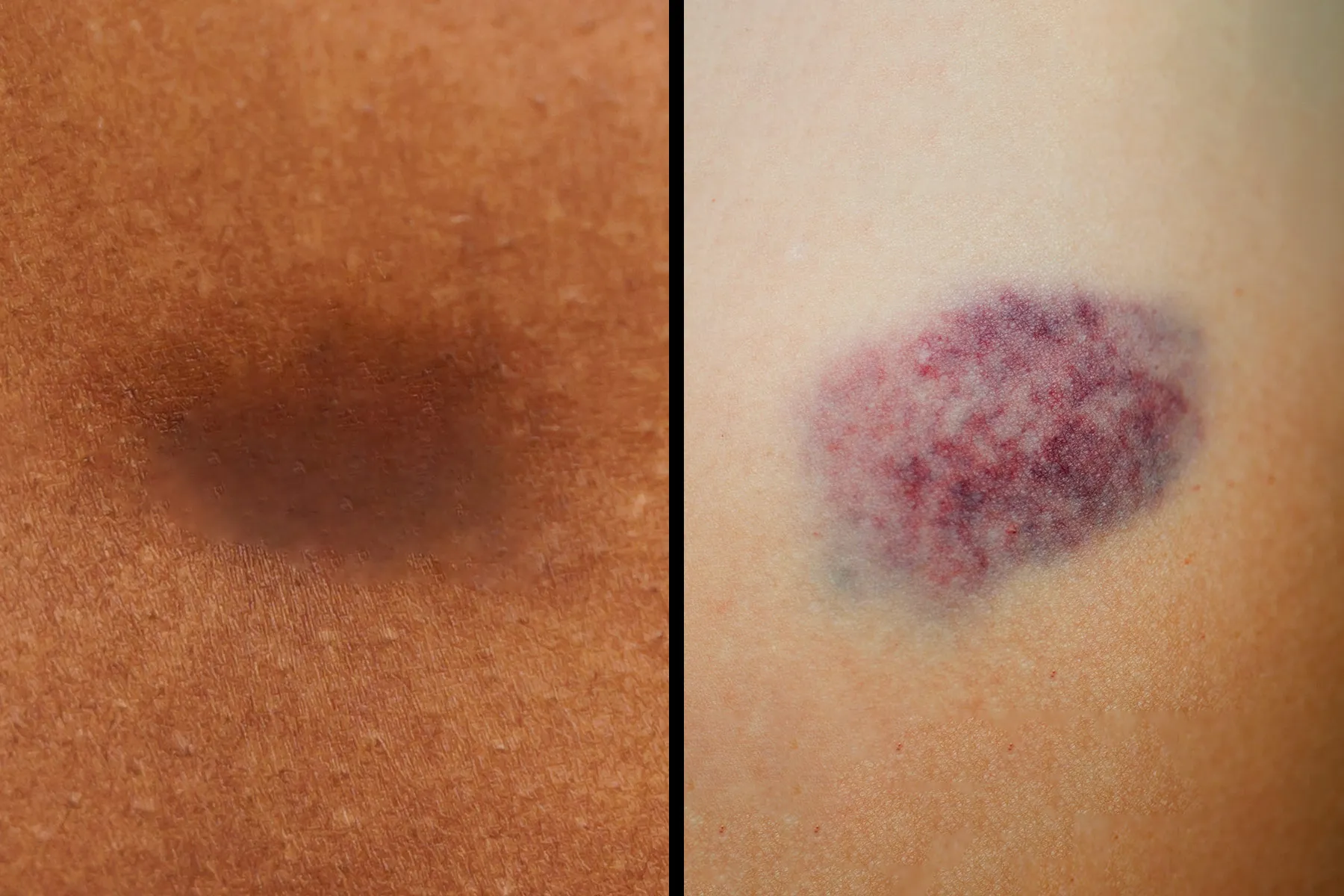
Bruising after a butt lift develops as tiny blood vessels under the skin break during surgery, and understanding how long these marks normally last helps patients manage expectations, reduce worry, and follow recovery steps that support safer and more comfortable healing overall.
Why do bruises appear after a butt lift?
Bruising forms because tissue shifts during surgery. Small vessels under the skin open slightly. According to our editor’s research, this reaction is completely normal. The body responds by sending healing cells to the area. These cells break down trapped blood slowly. Each patient’s pattern looks slightly different. Bruising may appear darker during the first days. Gravity sometimes pulls discoloration downward. This movement confuses many patients at first. Bruising remains a natural part of recovery.
How long do typical bruises last after a butt lift?
Most bruises fade within ten to fourteen days. Lighter bruises disappear faster. As a result of our editor’s reviews, deep bruising from larger tissue adjustments may take three weeks. The body clears pigments at its own pace. Early stages show purple or blue colors. Middle stages show green or yellow tones. These color shifts show normal healing. Bruises fade from the edges toward the center. Complete fading varies among individuals. Age, hydration, and skin thickness influence timing.
Why do some patients bruise more than others?
Some patients bruise easily due to natural sensitivity. Skin thickness affects bruising depth. According to our editor’s research, those with fair skin often show deeper colors. Medications also influence bruising. Blood thinners create more visible marks. Some vitamins increase bruising risk temporarily. Hydration levels change vessel response. Even genetics play a role. Lifestyle habits matter too. Smokers often heal slower. Each factor shapes the bruising experience. Surgeons review these risks before surgery.
How does surgical technique affect bruising levels?
Different butt lift methods cause different levels of bruising. Fat transfer techniques create multiple insertion points. As a result of our editor’s reviews, these points may produce mild surface bruising. Surgical lifts that remove excess skin cause deeper tissue movement. This increases vessel stress. Surgeons use careful methods to reduce trauma. Modern techniques focus on gentle handling. Experienced surgeons minimize bruising by using precise tools. Technique remains one of the biggest factors in bruising severity.
What color changes indicate healthy healing?
Healthy bruises change colors in predictable patterns. Early bruises appear dark purple or blue. These colors come from oxygen-poor blood trapped under the skin. According to our editor’s research, the body then breaks pigments into green and yellow tones. Yellow tones signal late healing. Brown shadows sometimes follow. These shifts show progress. Unexpected patterns deserve attention. Sudden redness or heat may indicate irritation. Color transitions remain a reliable healing marker.
When should patients worry about bruising?
Most bruising does not signal problems. Worry becomes appropriate when pain increases suddenly. As a result of our editor’s reviews, expanding bruises may suggest fluid buildup. Hard lumps could reflect inflammation. Bruising that spreads rapidly needs medical evaluation. Fever or warmth in one area also matters. Mild tenderness remains normal. Severe pain does not. Patients should trust their instincts when something feels unusual. Early communication supports safer recovery.
How does compression wear reduce bruising?
Compression garments help manage swelling and bruising. These garments support tissues after surgery. According to our editor’s research, gentle pressure reduces fluid accumulation. This pressure helps vessels close faster. Compression also keeps tissues stable. Stability reduces irritation during movement. Wearing garments consistently improves healing speed. These garments should fit snugly but comfortably. Proper fit supports circulation. Compression remains one of the strongest tools for reducing bruising.
Why does movement affect bruising recovery?
Movement improves circulation. Blood flow helps clear bruises faster. As a result of our editor’s reviews, light walking supports healing. Excessive movement increases bruising risk. The first days require slow pacing. Each step encourages fluid drainage. Sitting too long slows progress. Patients follow surgeon guidance closely. Movement should never cause pain. Gentle activity builds confidence. Healing responds well to balance.
How do cold and warm applications support healing?
Cold reduces early bruising by constricting small vessels. Cold should be used during the first days. According to our editor’s research, cold reduces swelling too. Warmth becomes helpful later. Warm compresses increase circulation. This circulation clears pigments faster. Patients should avoid direct heat on fresh incisions. Temperature therapy should remain gentle. Correct timing makes a big difference. Each stage has a preferred method.
Can diet influence how long bruises last?
Diet plays a helpful role in recovery. Foods rich in vitamin C support collagen. Strong collagen helps vessels repair faster. As a result of our editor’s reviews, leafy greens and berries support healing. Hydration speeds pigment breakdown. Salt slows recovery by increasing swelling. Balanced meals keep tissues healthy. Proper nutrients help patients heal within typical timelines. Diet remains a powerful tool during recovery.
Why is follow-up care important for bruise monitoring?
Follow-up appointments allow surgeons to track progress. Surgeons examine bruising patterns carefully. According to our editor’s research, photos help compare stages. These visits confirm normal healing. Surgeons adjust aftercare steps when needed. Follow-ups provide reassurance. They also detect early complications. Each appointment guides smoother healing. Patients benefit from professional evaluation.